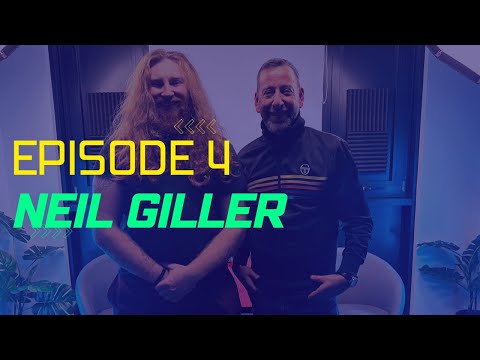
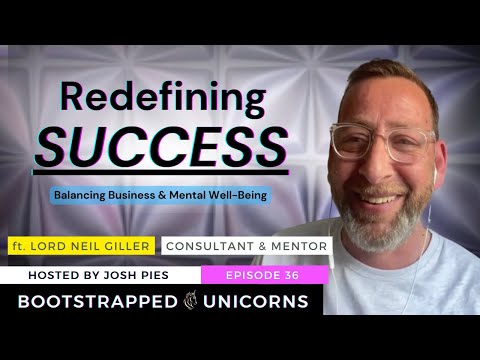
Neil Giller ran a multi-million pound family firm for 25 years. Then his brother broke down. Then he did. He closed the business the same afternoon a client complained one envelope didn't arrive. He built something better from the rubble.
The hustle message has been running for years. Now the bill is coming due. Your audience knows this is real. They just haven't heard it from someone who's been on both sides of it.
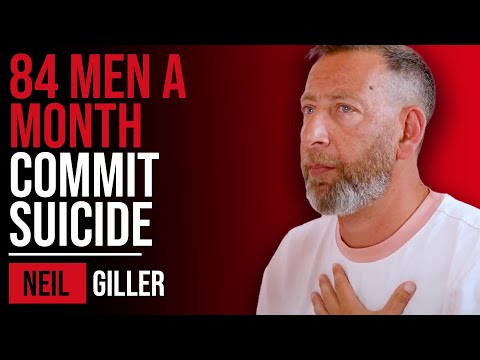
Men per week complete suicide in the UK. Most of them looked fine the day before.
Years Neil ran a family business before his own breakdown ended it in a single afternoon.
"84 men a week in the UK decide to say goodbye. If I can make it 83, this is worth it."
Neil Giller
Neil opens with the story your audience won't see coming. He had 20 minutes before the biggest contract signing of his career when he found his brother collapsed on the office floor. He called his mum, sent a supervisor to the cafe, signed the deal, and came back to an empty room. Three months later, he had his own breakdown.
He talks about what a breakdown feels like from the inside, then flips it: why that December morning in 2017 was one of the best days of his life. He covers the life-work model, the radiator vs drain framework, and his 15-minute "pity party" tool that ends with burning the paper and writing gratitude instead. Concrete. Clip-worthy.
The episode closes on the line that lands hardest: "If there's anyone out there waiting for someone to come and save them, you're the first person that's got to save you."
Featuring: Clair (cleaning business, 265% growth, KFC / Taco Bell / Burberry contracts) · Ryan (surveyor, went from reactive to planned, joined BNI) · Jo (photographer, biggest growth year on record, describes Neil as "10 out of 10")
Neil talks about breakdowns the way a builder talks about a wall that fell down. Blunt. Clear. With a plan for what comes next. The people in his audiences are growing 265%, landing Burberry, closing six-figure contracts. The mental health angle is the reason they're doing it, not a detour from the business story.
The episode is direct, often funny, and consistently useful. Nobody is asked to feel sorry for anyone. Listeners take one thing home and do it differently tomorrow.
Tap the WhatsApp button. Neil or his team picks up the message, usually same day.
Ask whatever you need to ask. No pitch deck. No slide show. Just a straight conversation about whether this is right for your show.
If it's a fit, agree a date. Neil shows up on time, prepped, and ready. No handler, no demands.
The episode goes out. Neil promotes it to his audience. You get the clip moments, the honest story, and the one line your listeners will quote for weeks.
Every week that passes is 84 more reasons this episode matters. Take one minute. Send the message.